Designing a Scalable Fulfillment SaaS for
E-commerce Growth
E-commerce businesses struggle with fragmented systems—inventory in one place, orders in another, and deliveries tracked elsewhere. Nuport’s goal was to unify storage, order management, and delivery into a single fulfillment platform that scales with growing businesses.

😔 The Challenge
Nuport needed to:
Build a usable SaaS MVP for real-world logistics operations
2
Support complex supply-chain workflows (WMS, TMS, POS)
3
Communicate product value clearly through a modern marketing website
My Role
As a Product Design Associate, I collaborated closely with founders, engineers, and operations teams to design:
User-focused SaaS dashboards for daily operations
Enterprise workflows for warehouse and transportation teams
A responsive, conversion-focused marketing website
A scalable design system to support long-term growth
Role:
Product Design Associate
Platform:
SaaS (E-commerce, WMS, TMS)
Timeline:
2023
Designing the SaaS MVP
I designed core modules to help teams manage fulfillment operations efficiently and with minimal friction.
Key Features
Unified Dashboard (orders, inventory, delivery status)
Customer Management
Orders & Sales Order Creation
Product & Inventory Management
Delivery Partner Integration

Enterprise Systems (WMS & TMS)
To support scale and internal operations, I designed enterprise-level systems used daily by logistics teams:
WMS: inventory tracking, warehouse workflows
TMS: shipment planning, delivery coordination

Advanced Prototyping Challenge
Designing Nuport’s high-fidelity SaaS prototype was one of the most challenging
parts of this project.
Behind the Scenes
Designing Nuport’s high-fidelity SaaS prototype was one of the most challenging and impactful phases of the project.
The platform involved complex, interconnected workflows—from order creation and inventory updates to delivery assignment and enterprise logistics operations. To validate these experiences before development, I built a fully interactive, end-to-end Figma prototype that closely simulated real product behavior.
The Challenge
Multiple interconnected SaaS and enterprise flows
No room for broken links or missing states
Required realistic interaction for client and stakeholder validation
The prototype took 5 full days to complete. Even short breaks often meant returning and re-walking the entire flow to ensure nothing broke. With 10,000+ connected prototype wires, the file became what I call a “wire forest”—dense, layered, and deeply interconnected.
Why Advanced Prototyping Mattered
Despite the complexity, this prototype became a core decision-making tool:
Helped stakeholders and clients clearly understand how the system works before development
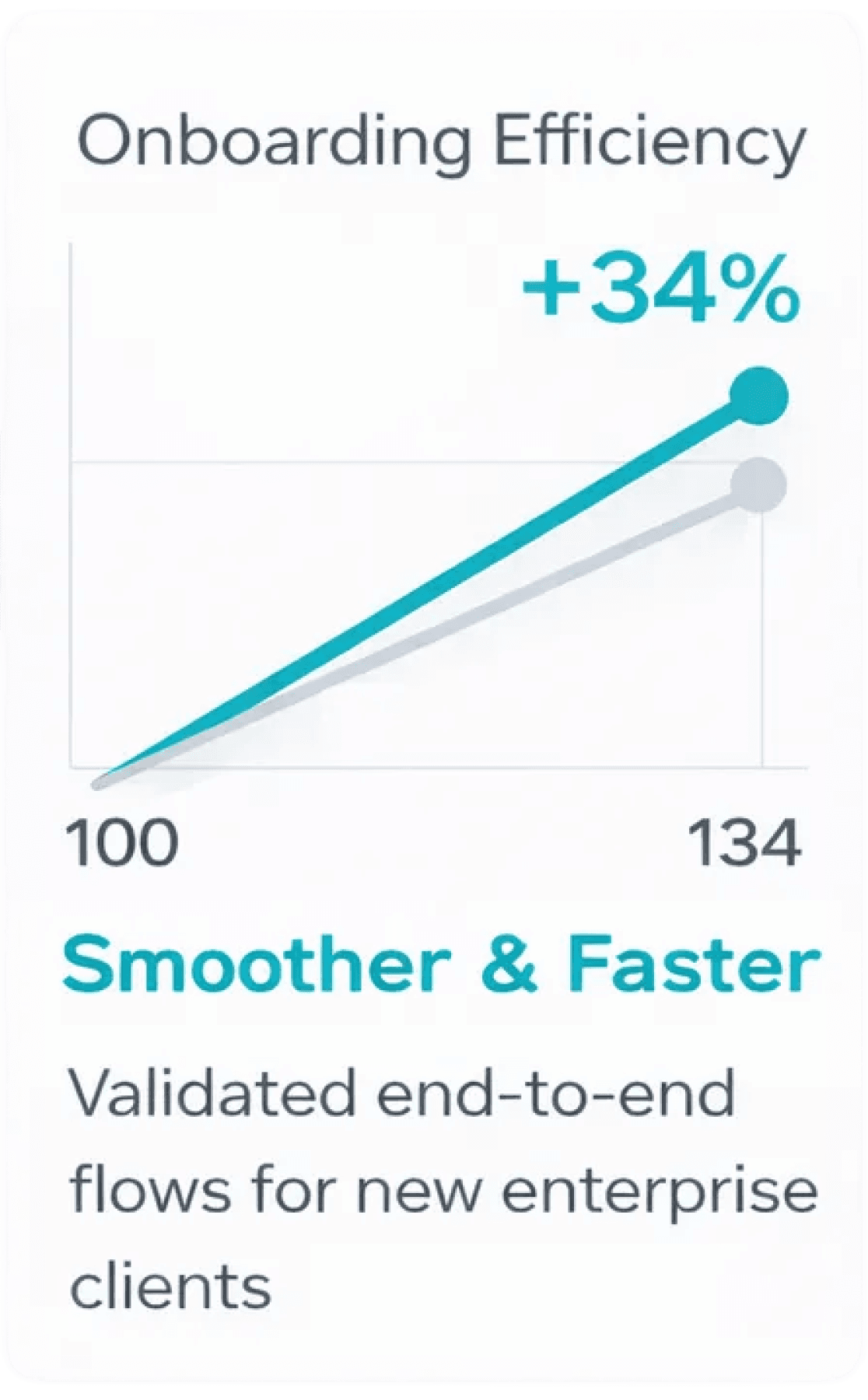
Validated onboarding flows for new enterprise clients
Reduced ambiguity and minimized rework during engineering handoff
Increased client confidence by allowing them to experience the product, not just see screens
Business Impact
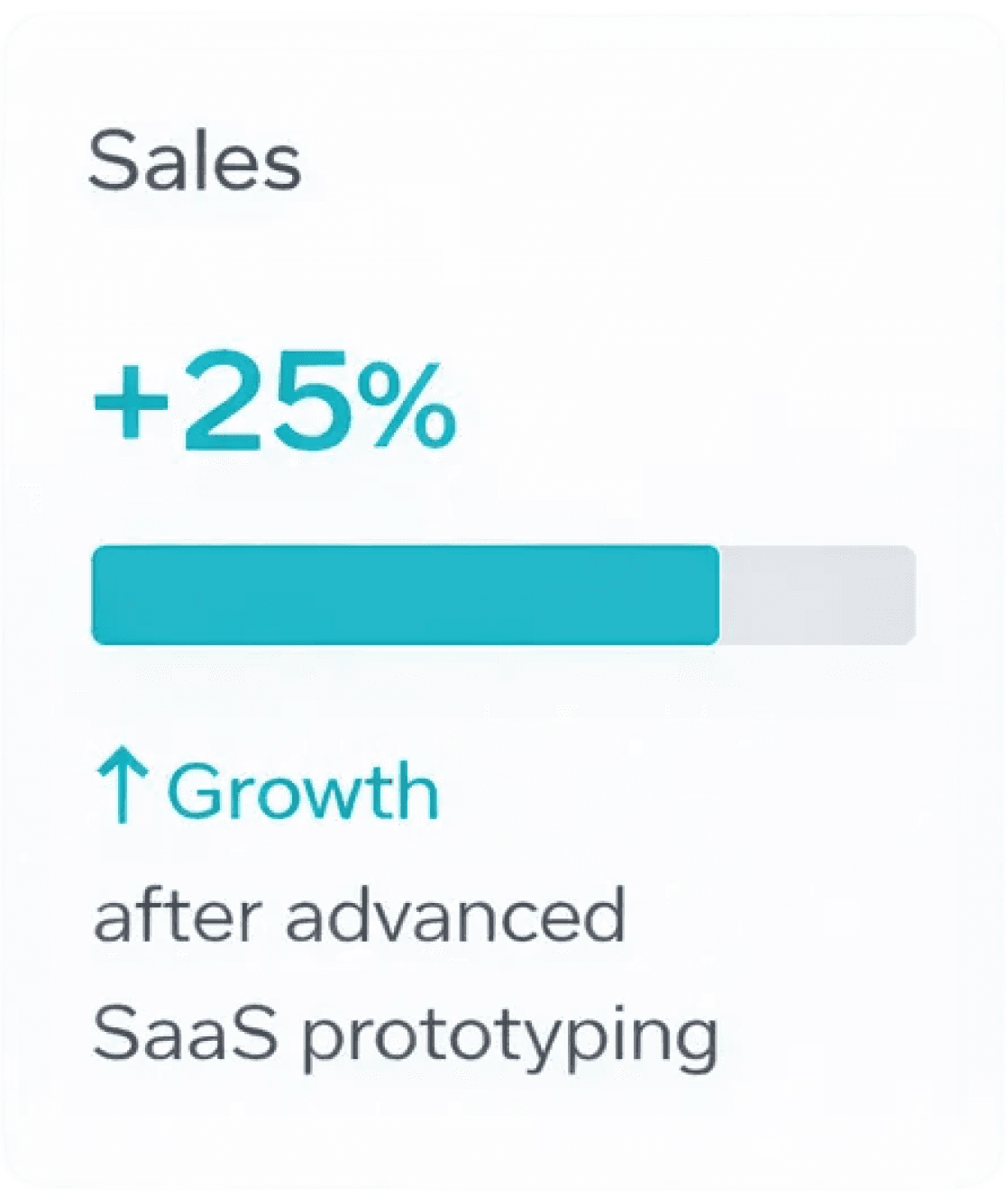
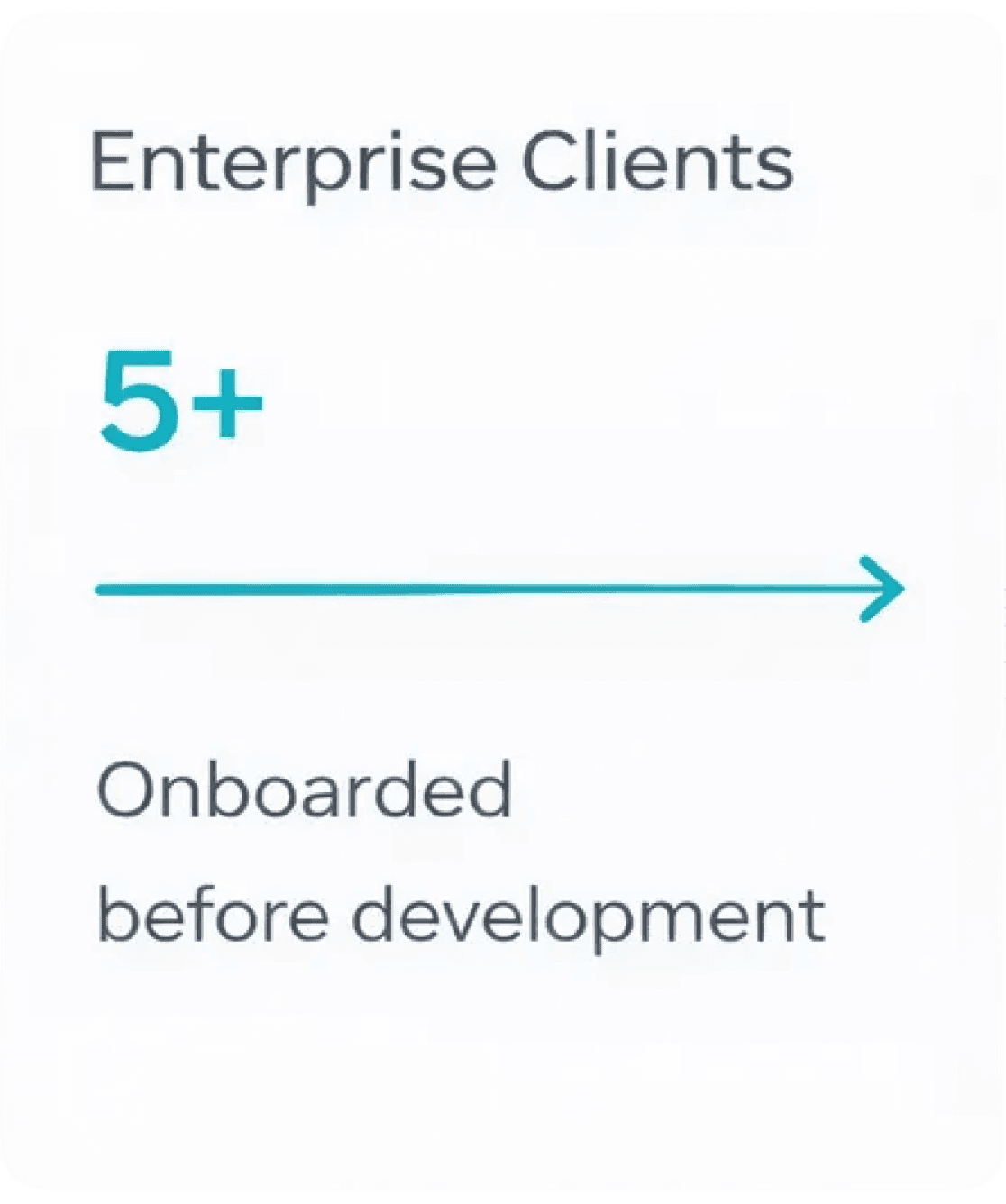
Advanced prototyping played a key role in transforming Nuport’s business outcomes. By allowing stakeholders and enterprise clients to fully experience the product before development, the prototype significantly improved clarity and confidence, contributing to a 25% increase in sales. The realistic, end-to-end flows also enabled Nuport to successfully onboard 5+ large enterprise clients early, even before engineering work began. Most importantly, validating complex workflows upfront led to smoother client onboarding, reduced confusion, and a faster path from sales to adoption—directly supporting both growth and scalability.
Nuport.io Website Redesign
I redesigned nuport.io to clearly explain what Nuport does and why it matters. The focus was on simple messaging, better mobile experience, and a clean visual hierarchy that made the product easier to understand for clients and investors. The new site supported sales conversations and helped present Nuport as a credible, scalable fulfillment platform.
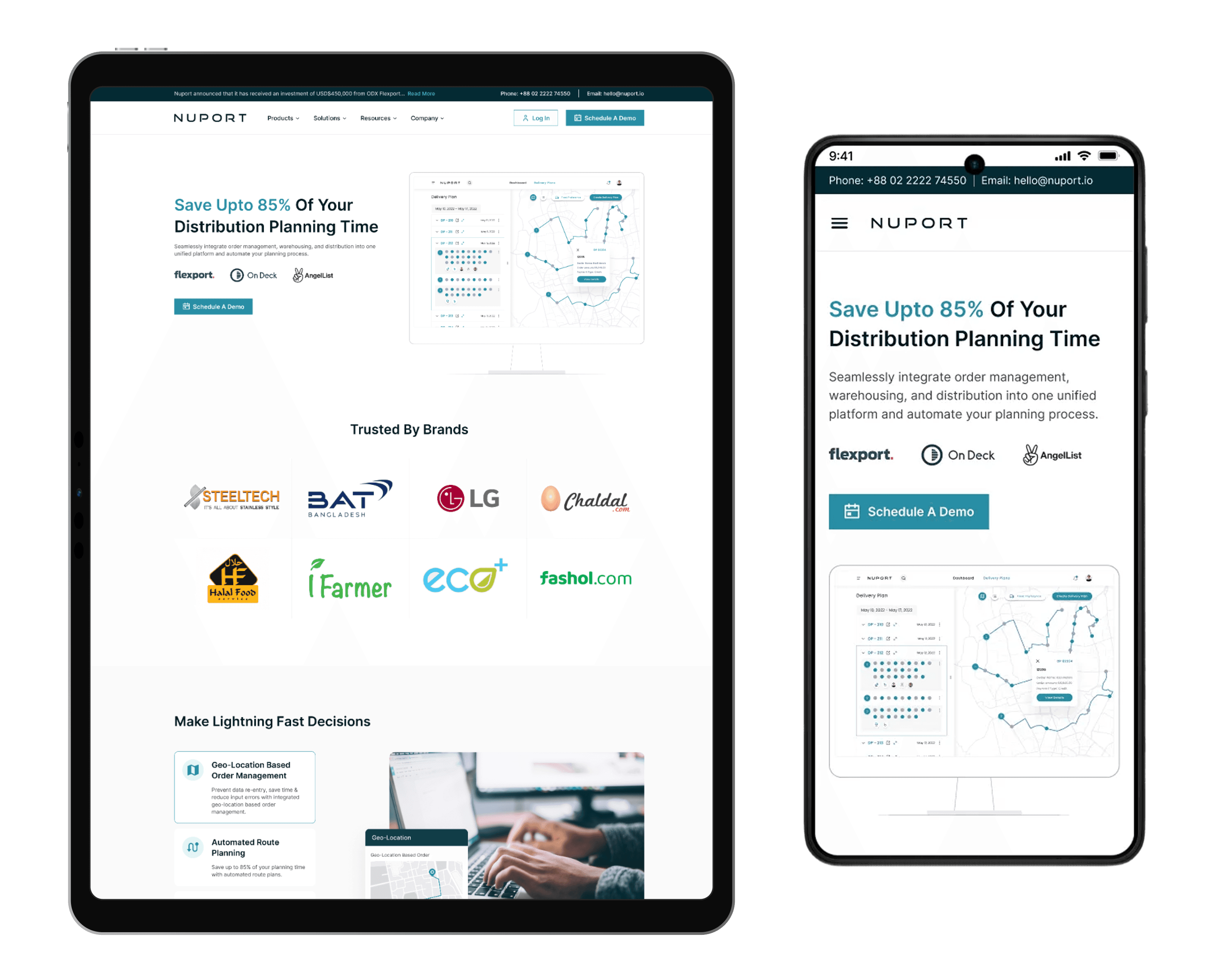
Nuport.io Website Prototype
Working on Nuport sharpened my ability to design for real operational complexity. I learned how small UX decisions impact daily workflows, how design systems keep fast-growing products consistent, and how high-fidelity prototyping can prevent costly mistakes. This project strengthened my approach to building practical, scalable SaaS products that teams can trust and use with confidence.